What to Look for When Buying or Renting a Home: A Comprehensive Guide
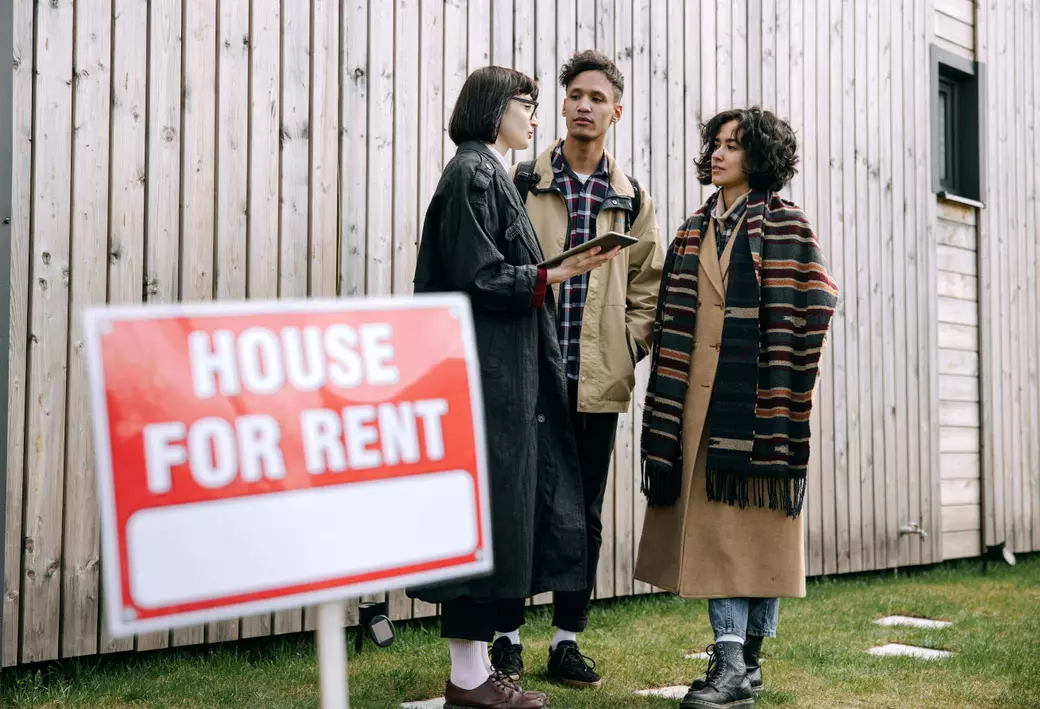
Whether you're buying or renting a home, finding the perfect place to live is one of life’s biggest decisions. It’s a journey filled with excitement, anticipation, and perhaps a little anxiety, but knowing what to look for can make the process smoother. This guide will help you identify the key factors to consider when searching for your next home—whether you're planning to buy or rent.
1. Location, Location, Location
Location is arguably the most important aspect of your home search. Whether buying or renting, consider:
- Proximity to Work: Is the commute manageable? Research how long it takes to get to work or school during peak hours.
- Schools: If you have or plan to have children, look into the quality of local schools.
- Neighborhood Safety: Look at crime rates, and don’t hesitate to visit the area at different times of day to get a feel for the community.
- Access to Amenities: Consider the proximity to grocery stores, parks, restaurants, public transport, and healthcare facilities.
- Future Development: Research any upcoming developments in the area that could either enhance or detract from your home's value or livability.
2. Your Budget
Buying: When purchasing a home, be realistic about what you can afford. Beyond the sale price, factor in:
- Closing costs
- Property taxes
- Homeowner’s insurance
- Maintenance and repair costs
- Possible homeowners’ association (HOA) fees
Renting: Renters should consider not only the monthly rent but also:
- Security deposits
- Utility costs
- Pet fees (if applicable)
- Renter’s insurance
Ensure you are financially comfortable, leaving room for unexpected expenses.
3. Size and Layout
Both buyers and renters should assess their current and future needs:
- Number of Bedrooms and Bathrooms: Will the home accommodate your family or any future plans for growth?
- Storage Space: Consider closet space, attic or basement storage, and whether you have room for your belongings.
- Layout: Open floor plans are popular, but think about how you live. Do you need separate spaces for working from home or specific areas for privacy?
4. Condition of the Property
Buying: A home’s condition can impact its price and future maintenance costs. Pay close attention to:
- Age of the roof, windows, and HVAC system
- Quality of the plumbing and electrical systems
- Signs of structural issues, like cracks in the foundation or walls
- Presence of mold, pests, or water damage
- Ask for a comprehensive home inspection to uncover potential issues that could become costly repairs later.
Renting: Renters should:
- Look for signs of wear and tear that could require future repairs
- Ensure all appliances are in good working condition
- Check for adequate heating, cooling, and water pressure
- Confirm with the landlord how quickly repairs are addressed and what their maintenance policies are.
5. Rental or Homeownership Costs Over Time
Buying: Consider the long-term costs of ownership, including:
- Rising property taxes
- Homeowners' association dues, if applicable
- Maintenance and renovation costs over time
Renting: If renting, understand potential rental increases over time. Review your lease for rent control clauses, if applicable, and know how much notice the landlord needs to give before increasing rent.
6. Resale or Rentability Value
Even if you plan to live in your new home for years, it’s smart to consider the resale value. Similarly, renters should think about how easy it might be to sublet or break a lease, should they need to move unexpectedly.
- Market Trends: Research the real estate market in the area. Is it stable, or are prices likely to increase?
- Home Appreciation: Some neighborhoods appreciate faster than others due to factors like new developments, improved infrastructure, or school district ratings.
- Rentability: If renting, evaluate how easy it might be to rent the home if you decide to move before your lease is up.
7. Lease Terms or Purchase Agreement
Buying: Buyers need to review purchase agreements carefully. Ensure that all terms are clearly outlined, including what’s included in the sale (e.g., appliances, fixtures) and any contingencies that must be met before closing.
Renting: Renters should scrutinize lease agreements, paying attention to:
- Length of the lease and renewal options
- Security deposit and its return conditions
- Pet policies, parking, and guest rules
- What happens if you need to break the lease early
8. Lifestyle Fit
Think about your lifestyle needs:
- Do you prefer a quiet neighborhood, or do you thrive in a bustling urban area?
- Do you need outdoor space, such as a yard or a balcony?
- If you have pets, is the property pet-friendly?
- Does the area align with your hobbies, like proximity to hiking trails, fitness centers, or cultural activities?
9. Neighbors and Community
Whether buying or renting, consider:
- How close the neighbors are to your property. Do you value privacy, or would you prefer a more community-centered neighborhood?
- The noise level and atmosphere of the neighborhood.
- The general upkeep of nearby homes, which can affect both rental and resale value.
Conclusion
Finding the right home, whether you’re buying or renting, involves careful consideration of your needs, budget, and lifestyle. By focusing on the location, property condition, costs, and long-term potential, you can make an informed decision that leads to a home that’s not only a great investment but also a perfect fit for your life.
If you're ready to start your home search or need expert guidance, feel free to reach out! I'm here to help you every step of the way.
Categories
Recent Posts








"Molly's job is to find and attract mastery-based agents to the office, protect the culture, and make sure everyone is happy! "